What a Ringside Doctor Actually Does
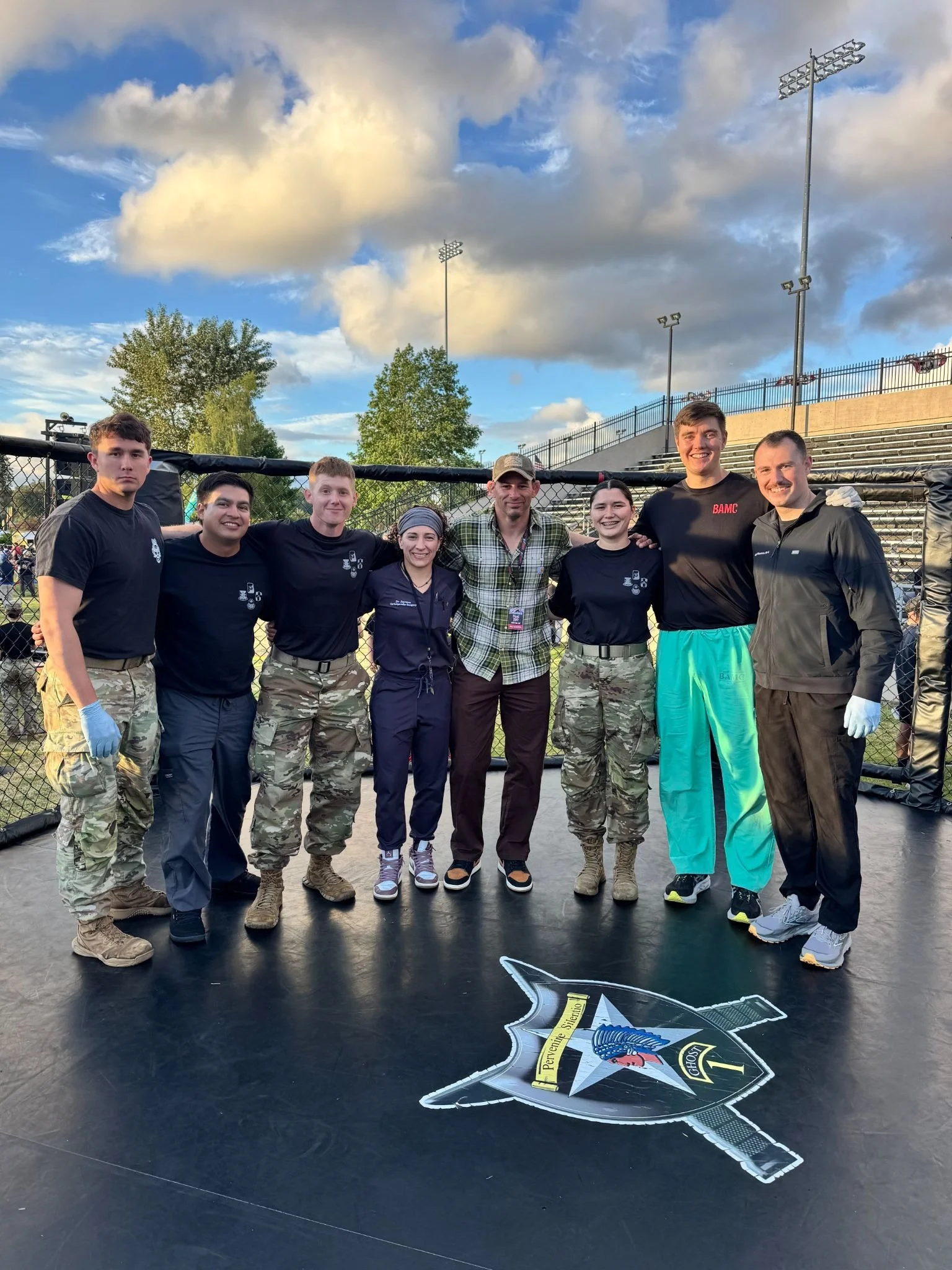
Friday night, I volunteered as the ringside physician at Freedom Fest. People see the doctor climb into the cage between rounds and assume we're just there for show. The reality is a lot more involved, and a lot more interesting. Here's what the job actually looks like.
Before the First Punch
The work starts long before anyone fights. I conduct pre-fight medical checks on the athletes. I go over their history, check vitals, and look for anything that could keep someone out of competition that night. By the time the first bell rings, the goal is to know who's in front of me. I told my medics that night, the goal is to understand if their bell was rung by knowing their personality before the fight. Has it changed?
The Job During the Fight
Once the fight starts, my eyes never leave the athletes. I'm watching for the things the crowd cheers for but that concern me medically such as a fighter going limp, a strike landing flush. Between rounds, I watch the athletes' eyes. I see how they respond to their coaches. And, most importantly, I watch how they stand up off their stool and go into the next round. I'm constantly asking one question: is this athlete still able to defend themselves? It’s important to remember that the referee is in the cage with them and my relationship with them is paramount. We have immense trust and they call me in when they need me and they are worried.
Heart Over Experience
Here's what stood out Friday. These were amateur army fighters, many of them stepping into the cage for the very first time. And I'll be honest, they beat each other up more than the professionals I usually cover. The pros have the defensive polish to avoid damage. These athletes hadn't built that yet, but what they lacked in experience they made up for in pure heart. They left everything out there. It was inspiring and a little tough to watch at the same time. Lets just say… I stayed busy.
The Concussion Conversation
We saw several concussions Friday night. That's the part of the job that weighs on me. It’s also something I have studied because, as an orthopaedic surgeon, it is a part of our residency training. These guys took some clean shots… more than I typically see from seasoned fighters. Head trauma is the thing I worry about most in this sport.
It got me thinking. I'd love to see military promotions add a bonus for finishing fights by submission. Reward the grappling. Incentivize the finish that doesn't involve repeated strikes to the head. Pair that with better striking defense coming up through the amateur ranks and we might be able to meaningfully cut down on the head trauma these athletes accumulate early in their careers.
Final Thoughts
Being a ringside physician is one of the ways I get to merge my two worlds — medicine and combat sports. These athletes put everything on the line, and they deserve a team cageside whose only job is their safety. Friday night was a good reminder of why I love this work, and why protecting these fighters, especially the young ones just starting out, matters so much.
To my medical team Friday night: thank you. And to every fighter who stepped in there… respect.
____
Dr. Megan Lisset Jimenez
Connect with Me
Let’s keep the conversation going:
📱 Instagram: @dr.meganjimenez
📘 Facebook: Megan Jimenez, DO
💼 LinkedIn: Megan Jimenez, DO