Stop Ignoring Injuries: How to Train Through Pain Without Getting Worse
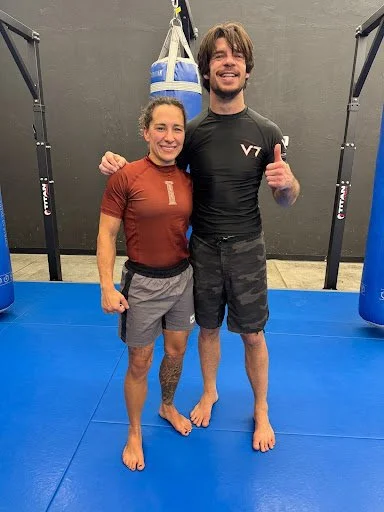
This week on the Doctor Jiu Jitsu podcast, I sat down with my good friend Mike Piekarski, PT, black belt, and one of the few physical therapists who truly understands what it means to rehab a jiu jitsu athlete. Not a runner. Not a traditional field sport athlete. A grappler.
If you train long enough, you will get injured. That part is inevitable. The real question is how you respond.
The Real Problem Is Not the Injury
Most grapplers fall into one of two extremes. We either ignore it and keep rolling like nothing happened, or we shut everything down and disappear from the mats completely. Neither approach builds longevity.
The elbow that popped but “feels fine.” The knee that feels a little loose but still works. The neck that only hurts when you invert.
Those are early warning signs. Over time, small irritations become chronic problems because we never adjust. Longevity in jiu jitsu is rarely about one catastrophic injury. It is usually about years of subtle neglect.
Training Through Pain the Smart Way
Training through pain does not mean pushing through everything. It means adjusting variables.
If your neck is flared up, maybe you stop inverting and sharpen your passing. If your knee is irritated, maybe you pull guard instead of wrestling. If your elbow is angry, maybe you reduce heavy framing and posting.
You are still training. You are still developing skill. But you are not digging the hole deeper.
This is the middle ground most athletes never learn. It requires ego control, communication with partners, and a willingness to temporarily move away from your A game. Ironically, that is often when your overall game improves.
The Last Twenty Percent of Rehab
One of the most important parts of our conversation was what Mike calls the last twenty percent.
Traditional rehab often gets athletes strong enough to function. But jiu jitsu demands rotational control, awkward positions, unpredictable forces, and psychological confidence under pressure.
If you do not gradually reintroduce those elements in a controlled way, your first exposure back will be chaotic. That is when re-injury happens.
Return to sport is not just about time. It is about preparation.
Culture Determines Longevity
Injury prevention is not just about exercises. It is about culture.
If your academy culture is win every round, injury rates will climb. If the culture emphasizes skill development, controlled application, and tapping early in training, athletes last longer.
You do not need to win on a random Tuesday night.
You need to be on the mat ten years from now.
Final Thought
Pain is information and ignoring it is a choice.
Learning how to adjust, modify, and progress intelligently is what separates the grapplers who burn out from the ones who stay in the game for decades.
If you’re curious about this topic, I think you will get a lot out of my podcast episode with Mike Piekarski, physical therapist and jiu jitsu black belt.
Watch the full episode here.
____
Dr. Megan Lisset Jimenez
Connect with Me
Let’s keep the conversation going:
📱 Instagram: @dr.meganjimenez
📘 Facebook: Megan Jimenez, DO
💼 LinkedIn: Megan Jimenez, DO